
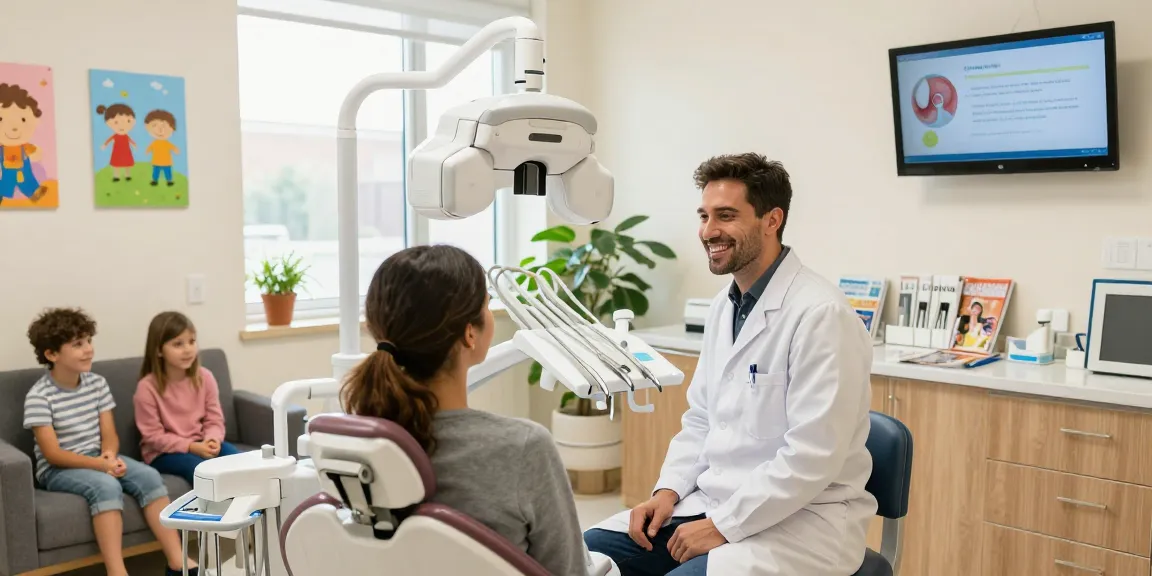
Understanding Your Dental Needs Before You Visit
Before stepping into the dental office, it's crucial to have a clear understanding of your dental needs. This preparation not only helps to alleviate anxiety but also ensures that you make the most of your appointment. Whether you are dealing with a persistent toothache or simply looking for a routine check-up, identifying your specific concerns can streamline your experience. Additionally, if you need assistance in finding a dentist who suits your requirements, you can visit reputable online platforms that offer comprehensive listings and patient reviews.
Identify Your Specific Dental Concerns
Start by pinpointing the exact issues you want to address. Are you experiencing pain, discomfort, or aesthetic concerns such as discoloration or misalignment? Understanding these factors will significantly guide the conversation during your appointment. For instance, if you have cavities, knowing the exact locations can help your dentist provide targeted treatments.
Compare Treatment Options Available
Once you identify your concerns, it's beneficial to research the various treatment options that align with your needs. From fillings to crowns and orthodontic solutions, being informed about possible treatments can help you engage in meaningful discussions with your dentist. This knowledge empowers you to ask relevant questions and make informed decisions regarding your dental care.
Assess Your Budget and Insurance Coverage
Dental care can be a significant financial commitment. Understanding your budget and any insurance coverage will enable you to discuss payment options with your dentist upfront. Be prepared to ask about costs associated with various procedures and whether your insurance plan covers them.
Finding the Right Dentist: What to Consider
Choosing the right dentist is a pivotal step in ensuring a positive dental experience. Factors such as qualifications, patient reviews, and areas of specialization can influence your decision significantly. By taking the time to research, you can find a dentist who meets your specific needs.
Research Credentials and Experience
Begin by investigating the qualifications of potential dentists. Look for their educational background, training, and years of practice. Dentists who have received additional training in specific areas—like cosmetic dentistry or periodontics—can provide specialized care tailored to your needs.
Look for Patient Reviews and Testimonials
Reading reviews from previous patients can provide valuable insight into a dentist’s practice. Look for feedback regarding the treatment quality, staff professionalism, and the overall patient experience. Online platforms often have ratings and testimonials that can help you gauge whether a dentist’s approach aligns with your expectations.
Examine Specializations Relevant to Your Needs
If you have specific dental issues, such as gum disease or orthodontic needs, consider seeking a specialist. General dentists often focus on a broad scope of dental care, while specialists can provide advanced treatments in particular areas. Selecting a provider with relevant specialization can significantly enhance the quality of your care.
The Appointment Process: What to Expect When You Visit
Knowing what to expect during your dental appointment can ease apprehension and help you utilize your time effectively. Each appointment can vary in purpose and procedure, depending on your individual needs.
Understanding Different Appointment Types and Their Purpose
Dental visits can range from routine check-ups to emergency treatments. Understanding the purpose of your appointment allows you to prepare effectively. For example, a check-up will typically include a cleaning, examination, and possibly x-rays, while an emergency visit may focus solely on pain relief and immediate care.
Preparing Questions to Ask Your Dentist
Before your visit, make a list of questions that you want to ask your dentist. Common inquiries include treatment options, recovery times, and maintenance practices. This proactive approach will help you gain insights into your dental health and foster a collaborative relationship with your dentist.
Understanding the Follow-Up Process Post-Appointment
After your appointment, understanding the follow-up process is essential. This might involve scheduling additional visits for more complex treatments, monitoring recovery, or simply maintaining oral hygiene practices at home. Ensure that you leave your appointment with a clear understanding of what comes next.
Improving Your Dental Care Experience
Enhancing your dental care experience is not just about choosing the right dentist; it also involves effective communication and the use of modern technology. Make sure to take advantage of the available resources that can improve your visits and overall care.
Utilizing Technology for Appointment Scheduling
Many dental practices now offer online booking systems, allowing you to schedule or modify appointments conveniently. Utilizing these tools can save you time and facilitate better management of your dental appointments.
Communicating Effectively with Your Dentist
Effective communication is key to a successful dentist-patient relationship. Be open about your concerns and preferences. This transparency ensures that your dentist can provide care that aligns closely with your expectations.
Incorporating Educational Resources into Your Care
Many dental offices provide access to educational materials that can enhance your understanding of treatments and preventive care. Taking advantage of these resources will empower you to make informed decisions and practice better oral hygiene.
Emerging Trends in Dental Care for 2026
As we progress into 2026, the dental industry is undergoing significant changes driven by technological advancements and evolving patient needs. Staying informed about these trends can help you approach your dental care proactively.
Integration of AI in Dental Practices
Artificial intelligence (AI) is playing an increasingly prominent role in dental practices. From diagnostic tools that analyze x-rays to personalized treatment plans, AI can enhance the quality of care and streamline practice management.
Focus on Preventative Care and Patient Education
Modern dentistry places a stronger emphasis on preventative care. This includes regular screenings and educational initiatives that encourage patients to maintain oral health proactively. Understanding the importance of preventative measures can lead to better outcomes and reduced treatment costs later.
The Rise of Tele-Dentistry and Virtual Consultations
Tele-dentistry has gained traction as a convenient alternative for patients unable to visit their dentist in person. Virtual consultations allow for preliminary assessments, follow-ups, and even certain diagnostic services, making dental care more accessible to everyone.
What should I ask my dentist before my visit?
Before your appointment, consider asking about their treatment approach, what to expect during the visit, and any concerns specific to your dental health. This helps to build a relationship of trust and understanding.
How can I find a dentist near me?
Utilize online platforms that provide listings of local dental practices combined with patient reviews and ratings. This can provide valuable insights into the dentist's reputation and services offered.
What are common dental issues to discuss during my visit?
Common issues include tooth sensitivity, gum health, misalignment, and cosmetic concerns. Discussing these topics can lead to better treatment outcomes.
How has dental technology changed in 2026?
Advancements such as digital imaging, AI diagnostics, and tele-dentistry have transformed the landscape of dental care, enhancing both patient experience and operational efficiency.
What should I do if I have dental anxiety?
If you struggle with dental anxiety, communicate this with your dentist before your visit. Many practices now offer strategies such as sedation options and calming techniques to help ease your stress.